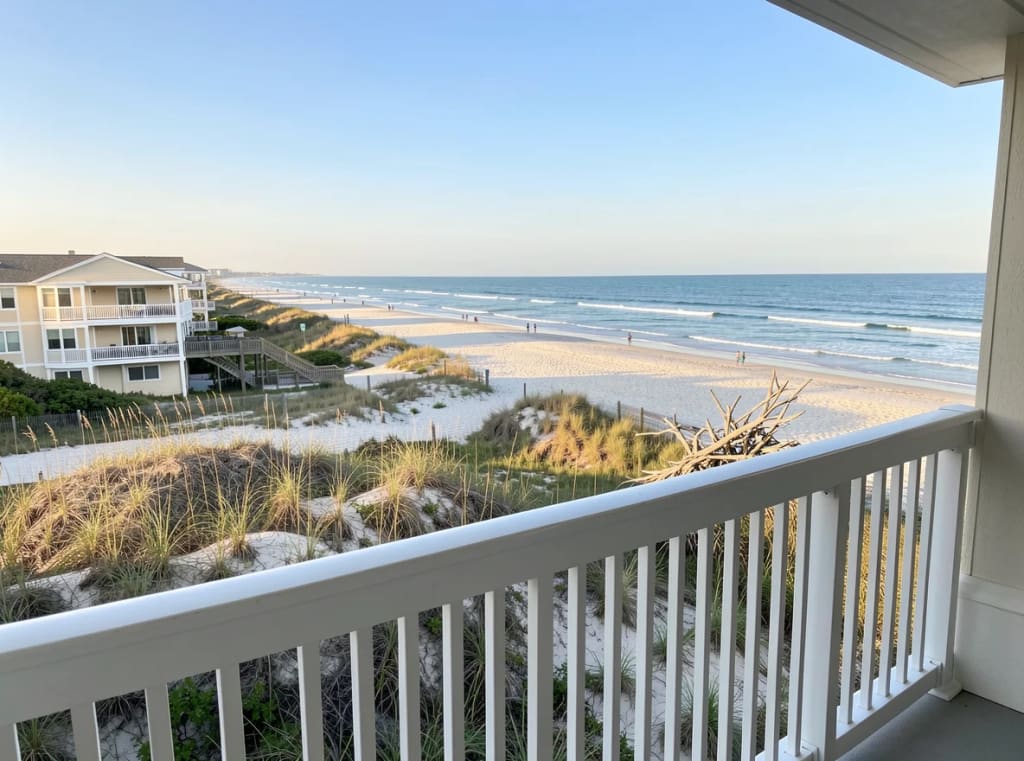
Explore Surfside Beach investment property timing, rental potential, and market trends, with practical guidance for buyers seeking stronger returns along the South Carolina coast.

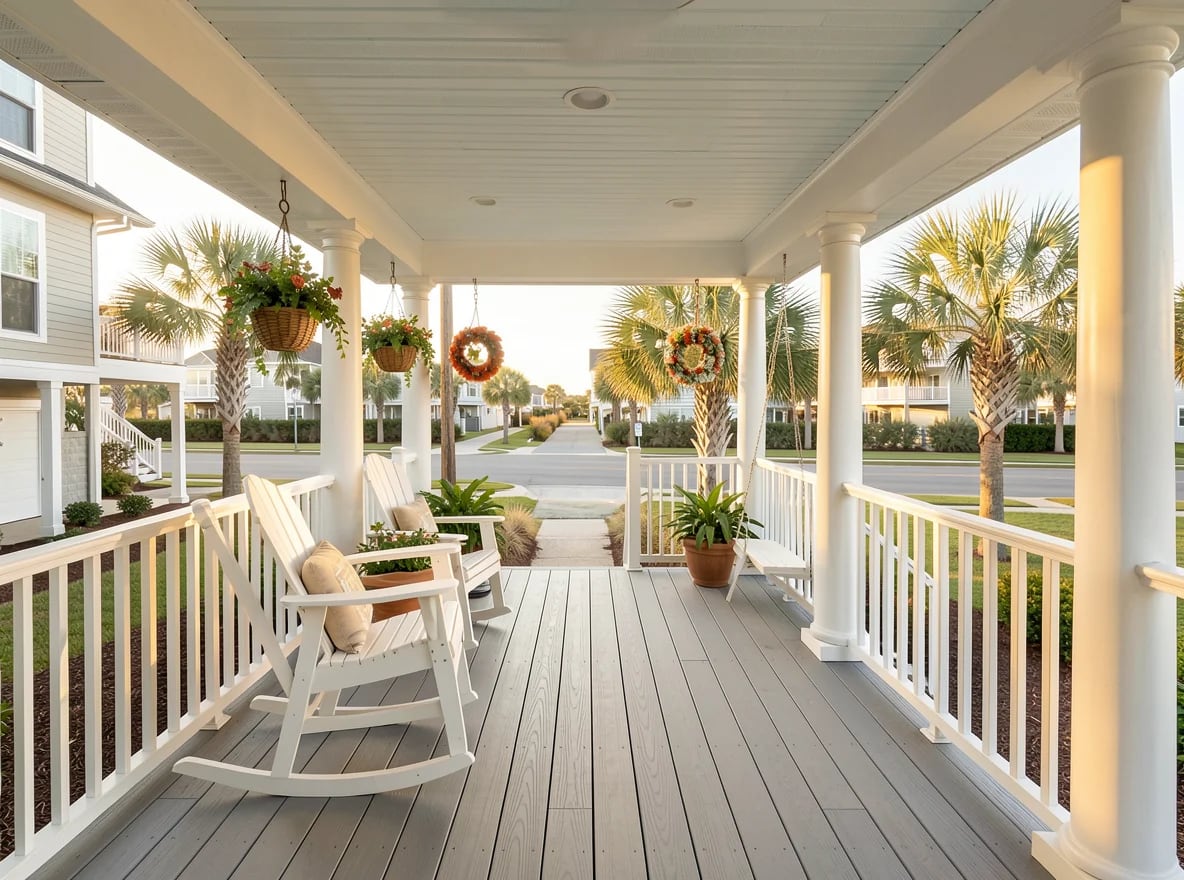
Surfside Beach gives investors a different entry point into the Grand Strand conversation: a smaller coastal setting with steady vacation appeal, easy beach access, and demand from buyers who want a quieter alternative to busier stretches nearby. For readers tracking when to buy along the coast, Surfside Beach matters because timing can shape both pricing leverage and rental upside. In spring and early summer, competition often rises as second-home shoppers and investors move before peak travel season. In late summer, fall, and some winter windows, buyers may find more room to negotiate while still targeting properties positioned for seasonal rentals.
That balance of lifestyle and income potential is what keeps Surfside Beach on investor watchlists. Condos, townhomes, and smaller beach-area homes can appeal to vacation guests looking for a relaxed Grand Strand stay, while proximity to Myrtle Beach adds convenience without the same pace. As this article explores timing across coastal markets, Surfside Beach stands out as a place where seasonality, price point, and rental strategy all intersect.
Surfside Beach continues to attract investors because its rental calendar tends to follow the broader Grand Strand pattern: the strongest weekly demand usually arrives from late spring through summer, while shoulder seasons can still produce steady bookings from golfers, remote workers, and families looking for a quieter coastal stay. Compared with some busier oceanfront markets, Surfside Beach appeals to renters who want easy beach access, a more relaxed atmosphere, and convenient drives to Myrtle Beach dining, entertainment, and employment centers. That mix can support both short-term vacation demand and longer seasonal stays, especially for condos, townhomes, and smaller detached homes priced within reach of mid-market investors.
Timing matters. Buyers shopping before peak summer often have a chance to evaluate inventory and projected rent schedules before the highest-use months begin, while fall and winter can create more negotiating room on properties that did not trade during the busiest season. In the roughly $150,000 to $750,000 range Carolyn Robertson serves across coastal South Carolina, investors should compare HOA rules, insurance costs, and occupancy patterns carefully. Surfside Beach stands out when a property offers walkable beach access, parking, updated interiors, and low-maintenance ownership features, since those details tend to matter to both vacation renters and off-season tenants along this stretch of the coast.
Surfside Beach remains one of the Grand Strand locations investors watch closely when timing a purchase. In recent seasons, buyer demand has stayed active for well-located condos, townhomes, and smaller single-family homes that can serve as vacation rentals, second homes, or long-term holds. Inventory has shifted with the season, often tightening in spring and early summer as more buyers compete for coastal properties, then opening slightly when the market moves into slower periods.
That pattern matters for pricing. When inventory is limited, sellers tend to hold firmer on asking price, especially in the mid-range coastal segment. When more listings come online, investors may find better room to negotiate on repairs, closing costs, or days on market. Compared with nearby markets like Myrtle Beach, Murrells Inlet, and Pawleys Island, Surfside Beach often appeals to buyers looking for a smaller beach-town setting with steady rental interest. For investors, watching seasonal inventory and demand can be just as important as watching headline price appreciation.
Before buying in Surfside Beach, investors should look beyond peak-season rental income and study the rules that shape year-round performance. Start with local use restrictions: short-term rental rules, parking requirements, occupancy limits, and any permitting standards can affect how often a property can be rented and to whom. This matters even more when comparing Surfside Beach with nearby markets like Myrtle Beach, Murrells Inlet, and Pawleys Island, where timing, competition, and rental patterns can differ by season. A condo that looks attractive in summer may carry off-season limits or fees that change the numbers.
HOA review is equally important. Ask for the declaration, recent meeting notes, reserve information, rental caps, pet rules, and pending special assessments before you commit. In many coastal communities, HOA policies can influence investor flexibility more than the purchase price alone. Property management should also be part of the buying decision from day one. Confirm who handles guest communication, cleaning schedules, storm preparation, maintenance response, and vendor coordination during slower months as well as peak vacation periods. Investors shopping in the roughly $150,000 to $750,000 range should compare not just projected rent, but net income after dues, insurance, management fees, and seasonal vacancy. Buying at the right time on the Grand Strand means pairing price opportunity with rules you can realistically operate under.
As you move from market trends into action, start by matching your timing strategy to Surfside Beach property type and price point. Condos and townhomes often appeal to investors seeking seasonal rental demand, while single-family homes may offer longer-term flexibility for resale or annual leasing. Compare HOA rules, short-term rental policies, insurance costs, and projected maintenance before making an offer.
It also helps to study how nearby markets such as Myrtle Beach, Murrells Inlet, and Pawleys Island are moving, since shifts in inventory and buyer competition across the Grand Strand can influence pricing in Surfside Beach. Watch for periods when selection improves and negotiating power returns, especially outside peak spring demand. Working with a local agent like Carolyn Robertson can help you evaluate cash-flow potential, identify properties that fit your goals, and build a smarter entry plan based on current coastal market conditions.
Surfside Beach Investment Listings
Browse active Surfside Beach condos, townhomes, and single-family homes that align with the coastal price ranges and timing trends discussed in this market update.
Listed by: Sistare Southern Properties Team; Keller Williams Innovate South; 843-446-2357; sistaresouthernproperties@gmail.com
Listed by: Sistare Southern Properties Team; Keller Williams Innovate South; 843-446-2357; sistaresouthernproperties@gmail.com
Listed by: Dawn Gates; Sea Star Realty Sales, LLC; 803-600-8954; dawn@seastar.info
Listed by: Victoria Austin; RE/MAX Southern Shores GC; 843-315-9191; Victoria@CoastalBeachProperties.com
Listed by: Elizabeth Wilhelm; Surfside Realty Co Inc; 843-452-8686; elizabeth@surfsiderealty.com
Listed by: Stephanie Steed; CB Sea Coast Advantage MI; 540-683-6536; stephaniesellsmb@gmail.com
Sign in with your email address
You’re being redirected to the page with listing data.